
Reviewed · BELGRADE TOURS
Get Big Picture of Belgrade at its 2,000 years old Fortress
Belgrade Fortress is the place to begin if you want to understand the city quickly. In 90 minutes, an art historian guide such as Igor or Ksenija connects Roman foundations, Ottoman battles, Habsburg rule, Nazi bombing, and Cold War fears while you walk above the meeting point of the Sava and Danube. I especially like the private format and the chance to ask about Serbia’s political past. I also like the views, which give you New Belgrade and Zemun as a useful counterpoint to the old city.
The main consideration is pace. This is a short walking tour covering roughly 2,000 years, so you will hear many names, conflicts, and turning points in a compact stretch of time. Some sections involve gates, walls, towers, and uneven outdoor paths, making a moderate level of fitness useful.
Key points at a glance
- A 90-minute private walk: Your group alone takes part, with space for up to eight people.
- An art historian guide: Igor and Ksenija bring the political and cultural story into the walk, not just a list of dates.
- Roman foundations and medieval remains: You may see traces of the Roman wall and the foundations of the medieval castle.
- A fortress with modern echoes: The route links Ottoman and Habsburg conflicts with the 1941 Nazi bombing and Cold War invasion fears.
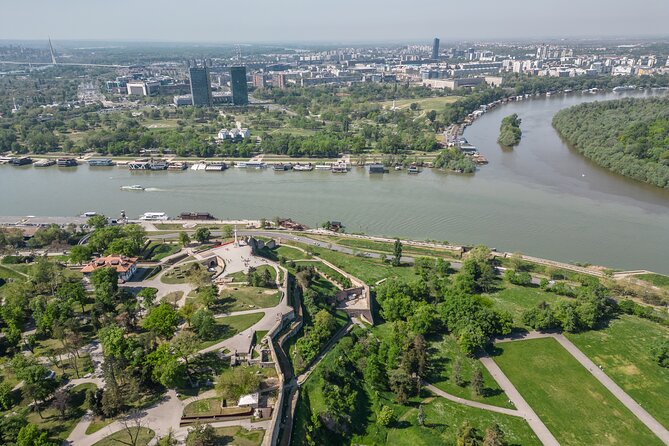
- Wide river views: Look across the Sava and Danube toward New Belgrade and Zemun.
- Sunset option: Evening timing can turn the final half-hour into a fine overlook stop, though the correct meeting time changes with the season.
Why Belgrade Fortress explains the whole city
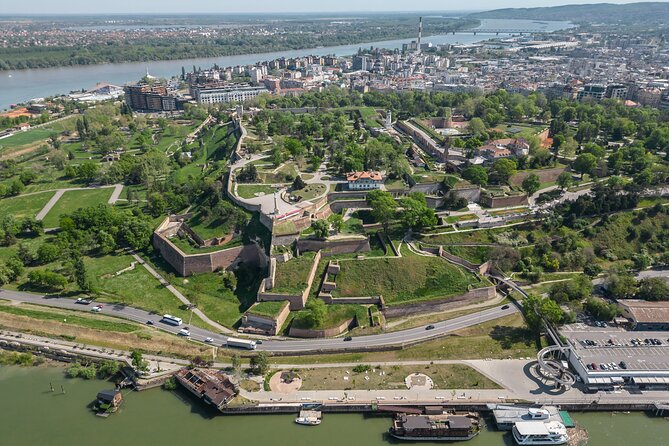
Belgrade’s fortress occupies a piece of high ground where the Sava meets the Danube. That location explains nearly everything about the city’s past. Armies wanted the height, the river crossing, and control of the routes leading into the interior of the Balkans.
You are not simply walking around old walls. You are moving through the remains of a military position repeatedly rebuilt by different powers. The Romans established the early stronghold. Later centuries brought Serbian rulers, Ottoman sultans, Habsburg forces, and modern Yugoslav and Serbian history.
I like this setting because the view and the story work together. When your guide points toward the rivers, the fortress stops being an isolated monument. You can see why this ground mattered, and why Belgrade endured so many changes of power.
The tour also gives you a useful first look at the city’s contrasts. Across the water, New Belgrade reflects the era of socialist Yugoslavia. Zemun has a quieter, Central European character. From the fortress, both places become part of the same explanation: Belgrade grew through many political systems, not one simple national story.
Other Belgrade days people book alongside this one:
- From Belgrade: Novi Sad & Sremski Karlovci Full-Day Tour
★ 4.7 · 1,068 reviews - From Belgrade: Gems of Eastern Serbia Tour
★ 5.0 · 427 reviews - Northern Serbia: Sremski Karlovci and Novi Sad Full-Day Tour from Belgrade
★ 5.0 · 425 reviews
Starting at Cvijeta Zuzorić and entering Kalemegdan
The meeting point is the Art Pavilion Cvijeta Zuzorić at Mali Kalemegdan 1. From there, the walk leads into Kalemegdan Park and the fortress area. This is a practical start because you enter through a green public space rather than beginning with a dry lecture beside a wall.
Kalemegdan gives the fortress room to breathe. Trees, paths, open lawns, and viewpoints soften what was once a hard military site. You can expect the guide to use the park as part of the story, explaining how a place built for defense became one of Belgrade’s favorite public spaces.
The private format matters here. With only your group, you can stop to ask why a wall was built in a certain place or how a monument fits into the city’s political story. Igor is particularly well suited to visitors who enjoy discussion. The tour can move beyond dates into questions about how Serbs understand their past and how older events still affect public life.
That freedom has a trade-off. A private guide can adjust the conversation, but the 90-minute limit remains. If you enjoy long debates, you may wish the walk lasted longer. Several people have stayed afterward to continue talking, which tells you something about the tour’s conversational style, but that extra time is not part of the promised duration.
Roman walls, medieval foundations, and military churches
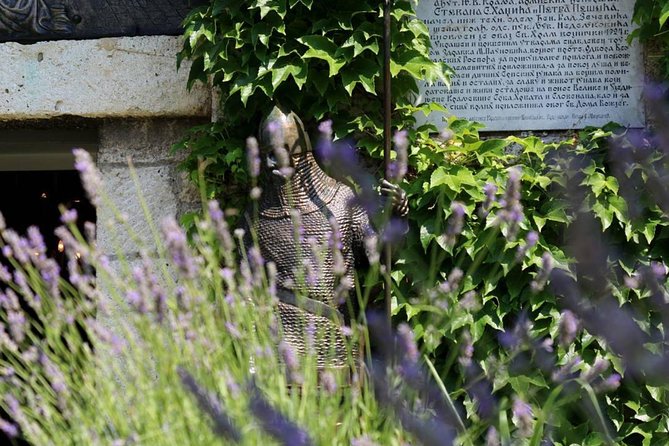
As the walk continues, the fortress reveals layers rather than a single finished design. You may see the foundations of the medieval castle and sections of the Roman wall. These fragments are valuable because they let you compare the city’s earliest defensive work with the later gates, towers, and ramparts.
I find this kind of evidence more useful than a polished reconstruction. A foundation can look modest, but it helps you picture how each new power built over what came before. Your guide’s job is to make those remains readable, especially when the site does not present its story in one neat sequence.
The route also includes the fortress’s gates and towers, along with underground areas and dungeons. One especially unusual detail is a church built from a former military magazine. That single building captures the way Belgrade’s spaces changed purpose over time. A place designed for weapons later served religious life.
Do not expect every underground area to feel like a large museum room. The supplied details point to underground chambers and the experience of getting below the fortress, but the exact access can depend on the route and conditions. The value is in the connection between the visible walls above and the hidden military spaces below.
The guide also adds stories that make the stonework easier to remember. You will hear about a sultan who called the fortress his Contemplation Hill, a phrase that gives the site a more reflective side. Military history here is not only about attacks. It is also about rulers pausing to look over the rivers and consider the importance of their position.
Ottoman and Habsburg Belgrade in one walk
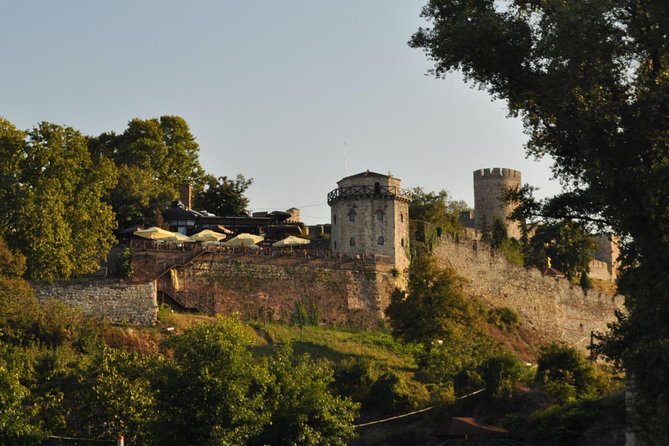
Belgrade changed hands many times between the Ottoman and Habsburg worlds. The fortress was not simply captured once and left alone. It was fought over, repaired, expanded, and reshaped as the military balance changed.
This is where an art historian can add something beyond a standard battlefield account. Walls, gates, churches, magazines, and public spaces all carry clues about who controlled the city and what they needed from it. The walk presents the fortress as a record of power, faith, engineering, and daily life.
You will also encounter the story behind the noon bell heard in churches across Europe. The tour connects that tradition directly to Belgrade, giving you a memorable example of how an event in this city reached far beyond its walls. It is the sort of detail I appreciate because it links local history to a wider European story.
The political side is just as important. Igor’s approach, according to the experience description and the comments from past participants, includes controversy and present-day interpretation. If you prefer history presented as a series of clean heroes and villains, you may find the discussion less comfortable. If you want to hear how a local historian thinks about Serbia’s past, that is one of the tour’s strongest features.
Same riverbank, a completely different kind of day:
- Day Trip from Belgrade: Gems of Eastern Serbia
★ 5.0 · 424 reviews - Western Serbia 1-Day Tour of the Key Sites from Belgrade
★ 4.8 · 333 reviews - Belgrade Nightlife Bar Pub Club Crawl with Drinks
★ 5.0 · 277 reviews - From Belgrade: Golubac Fortress and Iron Gate Gorge Tour
★ 4.8 · 271 reviews
From the 1941 bombing to Cold War fears
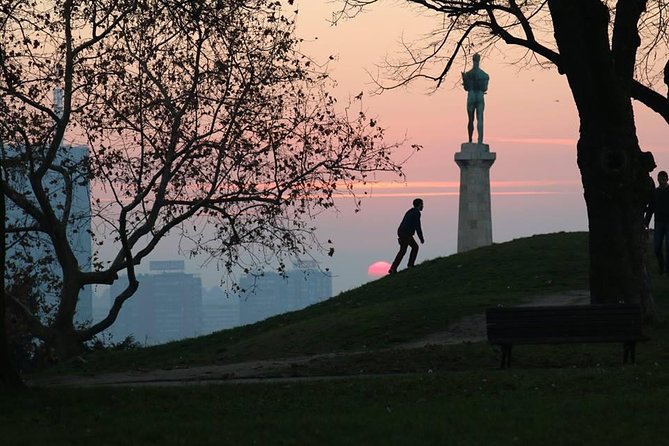
The fortress story does not stop with sultans and medieval rulers. Your guide also explains what happened when Nazi forces bombed Belgrade in 1941 and what followed when a Soviet invasion seemed possible in the 1950s.
These episodes help keep the walk from becoming a distant medieval pageant. Belgrade’s military importance remained real in the modern era, even as the weapons and political alliances changed. The fortress becomes a point from which to discuss occupation, fear, power, and the uncertain position of Yugoslavia during the Cold War.
I would pay close attention during this part of the walk, especially if you know little about Yugoslavia. The tour is short, and the story moves across several major periods. You may not come away with every detail fixed in memory, but you should gain a useful framework for understanding why Belgrade can feel both Central European and distinctly Balkan.
There is even a film connection tied to the underground spaces. The guide asks you to guess which movie maker told the press that he felt inspired after going below ground. The detail adds a little humor and gives the underground portion a cultural link beyond military use.
The final half-hour: Sava, Danube, New Belgrade, and Zemun
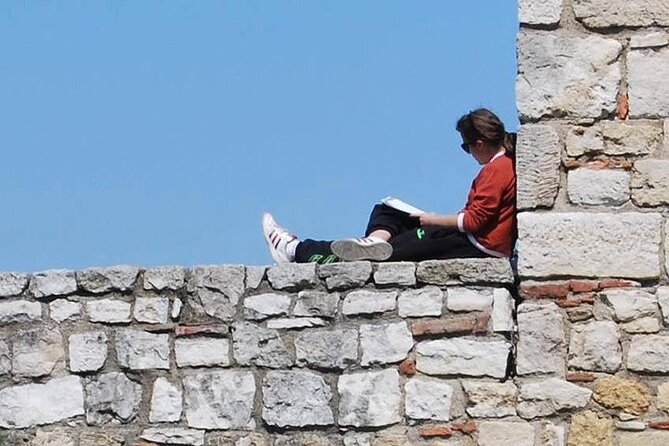
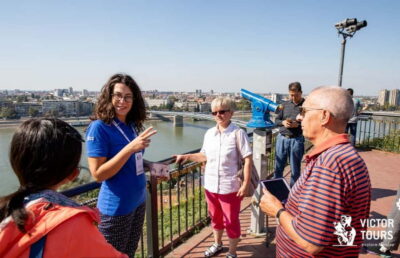
The last part of the experience centers on views from Kalemegdan Park and the fortress. You can look over the Sava and Danube, see their confluence, and identify New Belgrade and Zemun across the water.
This is the visual payoff of the tour. The fortress gives you a broad view of the city’s geography, and that geography makes the earlier history easier to understand. The rivers are not just scenery. They helped make this location valuable, exposed, and contested.
New Belgrade is especially useful to see from here. It was built as the capital area of socialist Yugoslavia, and its broad modern form contrasts with the old fortress and historic center. Zemun offers another contrast, with its quieter Central European appearance. Your guide can help you read these parts of Belgrade as different chapters in the city’s development.
I recommend scheduling the walk around sunset if your main goal is views and atmosphere. Sunset arrives at about 5:30 p.m. in autumn, 4:30 p.m. in winter, around 6 p.m. in April and May, and after 7 p.m. in summer. That means the best booking time changes sharply by season.
Sunset also creates a practical compromise. If you want strong daylight for seeing Roman and medieval remains, a morning or afternoon start may work better. If you want a romantic final lookout, choose a start time that places the last 30 minutes near sunset. Since the tour lasts about 90 minutes, work backward from the sunset time rather than booking the sunset hour itself.
What the private format is worth at $66.01
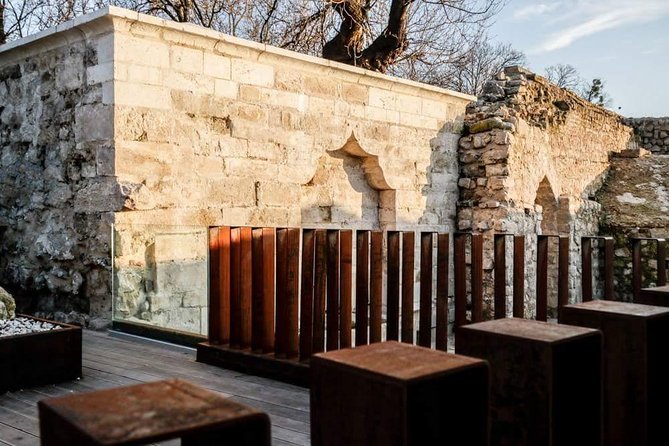
At $66.01 per person, this is not the cheapest way to walk through the fortress. The price makes more sense if you are traveling as a small group of up to eight, since the private guide and dedicated attention are shared by your party.
For a couple, the cost is harder to justify if you only want a quick orientation and a few photographs. You can enter Kalemegdan and see the main views without paying for a private history lesson. But the experience offers more than access. It gives you a guide who can connect scattered remains, political events, and city views into one story.
I see the strongest value for families, friends, and small groups with mixed interests. One person can ask about architecture, another about Ottoman rule, and another about modern Serbia without being held to a large group’s schedule. Families may also find the war stories, underground spaces, and unusual church detail easier to remember than a standard museum visit.
The price is also reasonable for people short on time. A 90-minute walk can serve as your first orientation to Belgrade, helping you decide what deserves a longer visit later. You may leave wanting more, but that is a useful problem when your schedule is tight.
Who will enjoy Igor or Ksenija’s guiding style
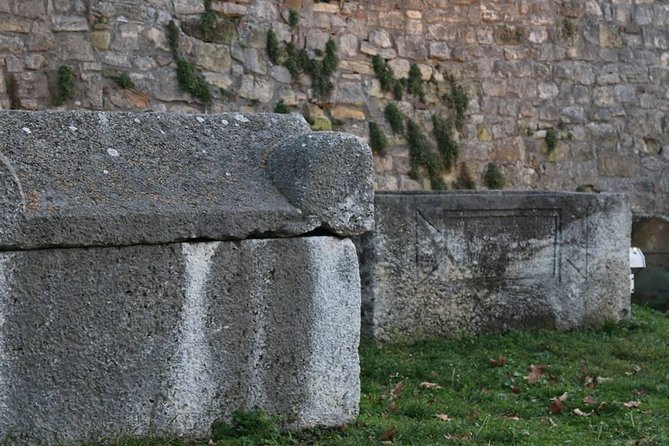
This tour suits you if you like history with argument and context. The guides do not appear to treat Belgrade’s past as a simple parade of dates. Igor is described as passionate about Serbian history and politics, and the experience encourages questions about both the past and the present.
That style can be rewarding if you enjoy conversation. One past participant described having a bit of debate with Igor, while another stayed longer after the scheduled end to continue discussing the issues raised on the walk. I would choose this experience if you want a guide who may challenge you to think, not just point at buildings.
Ksenija also leads the experience, and the tour can be taken with either guide depending on the booking. The comments connected to both Igor and Ksenija describe a walk through many periods and curiosities of Belgrade’s story.
You should have moderate physical fitness. The route passes through a park, fortress grounds, gates, walls, towers, and possibly underground spaces. The supplied information does not promise a fully step-free route, so contact the provider if your group needs specific mobility details. Service animals are allowed, and the meeting area is near public transportation.
Practical details before you book
The tour is offered in English and uses a mobile ticket. Confirmation arrives when you book, and the start point is the Art Pavilion Cvijeta Zuzorić. The endpoint is listed as the Embassy of France at Pariska 11.
Because the tour is private, only your group takes part. It can be booked for up to eight people, which makes it easier to set a pace that suits your party. Still, the experience is outdoors for much of its length, so choose clothing and footwear suitable for walking in a historic park and fortress setting.
The tour has free cancellation if you cancel at least 24 hours before the local start time. Cancellations or changes made less than 24 hours before the start are not refunded or accepted.
The experience is often booked about 19 days ahead. That does not guarantee that every date will sell out, but it is a sensible reason to reserve early if you want a particular guide or a sunset time.
Is the Belgrade Fortress private tour worth booking?
I would book this tour if you want Belgrade’s fortress to make sense rather than simply look impressive. The combination of Roman remains, medieval foundations, Ottoman and Habsburg conflict, the 1941 bombing, Cold War fears, and the river views gives you a strong first lesson in the city.
It is best for curious visitors who enjoy politics, military history, architecture, and conversation. It is also a smart choice for a family or small group that wants a flexible private walk.
I would skip it if you only want a brief photo stop, dislike historical discussion, or need a fully accessible route that has not been confirmed in advance. For everyone else, the $66.01 price buys a focused introduction, personal guidance, and views that you can use to orient yourself for the rest of your stay.
FAQ
Where does the Belgrade Fortress tour begin?
The tour begins at the Art Pavilion Cvijeta Zuzorić, Mali Kalemegdan 1, in Belgrade.
Where does the tour end?
The listed endpoint is the Embassy of France at Pariska 11, Belgrade 11000.
How long does the experience last?
The tour lasts approximately 1 hour and 30 minutes.
Is the tour private?
Yes. Only your group takes part in the activity.
How many people can join the private tour?
The private tour can be booked for up to eight people.
Is the tour offered in English?
Yes. English is the listed language for the experience.
What is included in the price?
The price includes a professional art historian guide and the private tour.
Is a mobile ticket available?
Yes. The experience offers a mobile ticket, and booking confirmation is received at the time of booking.
Can I cancel for a full refund?
Yes, if you cancel at least 24 hours before the experience start time. Cancellations made less than 24 hours before the local start time are not refunded, and changes during that period are not accepted.
Just added around Belgrade
- Private Wine Tasting by Party in Belgrade★ 5.0 · 3 reviews
- Zica and Studenica Monasteries Private Day Tour from Belgrade★ 5.0 · 4 reviews
- Urban & Alternative Belgrade tour★ 5.0 · 4 reviews
- Belgrade Bike Tour: Be a local in the hood of Belgrade!★ 5.0 · 5 reviews
- The World of Pubs and Taverns: A Golden Mile★ 5.0 · 5 reviews
- Private Truffle‑Hunting Tour from Belgrade – Lunch with Wine★ 5.0 · 4 reviews
- Sidecar Tours Belgrade★ 5.0 · 5 reviews
- Private Day Trip/Transfer Tour from Belgrade to Timisoara★ 5.0 · 5 reviews
Belgrade Tours, compared.
Sremski Karlovci and Novi Sad Full-Day Tour from Belgrade
Read our review →
Day Trip from Belgrade: Gems of Eastern Serbia
Read our review →
Western Serbia 1-Day Tour of the Key Sites from Belgrade
Read our review →
Belgrade Nightlife Bar Pub Club Crawl with Drinks
Read our review →
Browse the lists this tour appears in