
Reviewed · BELGRADE TOURS
Explore Belgrade’s Art and Culture with a Local
Belgrade’s art scene is not confined to museums. This 90-minute walk links grand buildings, public squares, street art, and contemporary galleries, giving you a quick look at how the Serbian capital presents its creative side. The group is intended to be small, with a maximum of six highlighted and up to eight listed in the practical details.
I like the route’s mix of old and new Belgrade, from the Old Palace and Hotel Moskva to Ulična galerija and Dorcol. I also like the chance to ask a local guide about Serbian artists and the city’s current art scene rather than simply reading dates from a guidebook. The main concern is that the art focus may feel light if your guide gives more attention to central landmarks than to galleries and artists. One past guest found it mainly a city-center walk, while another praised Tanja, also spelled Tatjana in the provider’s response, for her personal and well-informed guiding.
Key points to know before booking
- A compact central route: The walk begins at the Old Palace and ends near the Salon of the Museum of Contemporary Art Belgrade.
- Street art is part of the plan: Ulična galerija and Dorcol bring public art and neighborhood character into the experience.
- A local guide shapes the visit: The tour is designed around personal insight into Belgrade and Serbian artists.
- Small groups matter: The advertised group size is up to six, while the additional booking information allows as many as eight.
- The art content may vary: The route includes several important buildings and squares, so this is not a museum tour or a specialist lecture.
- Flexible cancellation: You can receive a full refund if you cancel at least 24 hours before the start time.
Starting at the Old Palace in central Belgrade
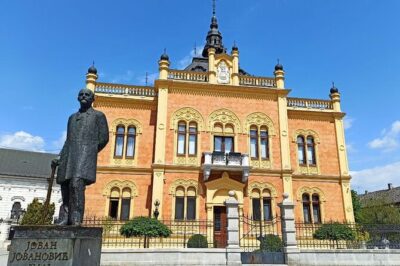
Your walk begins at the Old Palace on Dragoslava Jovanovića 2. This is a useful starting point because it places you in the heart of Belgrade, close to major civic buildings and the city’s main pedestrian routes.
The Old Palace sets the tone for the first part of the walk. It is a formal historic venue, and your guide uses it as an opening point for the city’s architectural and political story. Do not expect an interior visit here. The stop is listed as a pass-by point, so the value comes from the exterior, the setting, and the explanation provided while you are standing nearby.
I would arrive a little early. The meeting point is specific, and a city-center walk can become confusing if you are rushing through nearby streets. A mobile ticket is accepted, and confirmation is provided when you book.
Other Belgrade days people book alongside this one:
- From Belgrade: Novi Sad & Sremski Karlovci Full-Day Tour
★ 4.7 · 1,068 reviews - From Belgrade: Gems of Eastern Serbia Tour
★ 5.0 · 427 reviews - Northern Serbia: Sremski Karlovci and Novi Sad Full-Day Tour from Belgrade
★ 5.0 · 425 reviews
Hotel Moskva and Belgrade’s grand city center
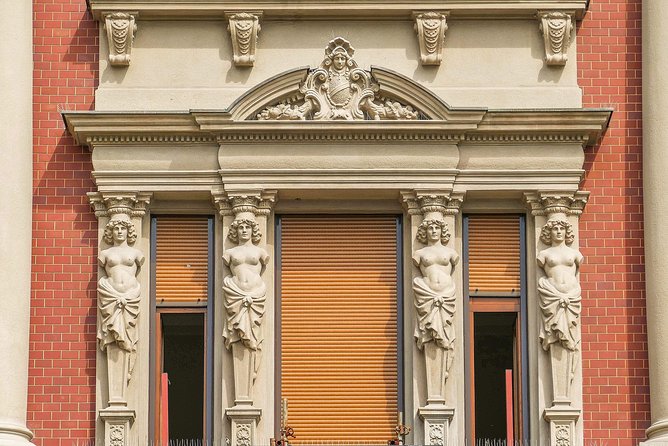
From the Old Palace, the route continues past Hotel Moskva. The building is one of the most recognizable historic facades in central Belgrade, and it gives the walk another chance to connect architecture with the city’s public identity.
This part of the experience will appeal to you if you enjoy looking closely at buildings rather than treating them as background scenery. Your guide can point out the design and importance of the exterior, while you get a sense of how Belgrade’s older civic center sits beside newer commercial and cultural spaces.
The limitation is simple: this is another exterior stop. If you want to see the inside of Hotel Moskva or learn about every period of its construction, you may need to continue the research on your own. The tour gives you a short introduction, not a full architectural study.
Ulična galerija brings art into the street
Ulična galerija is where the tour’s art theme becomes more direct. This contemporary street gallery presents art in an open urban setting, making it different from a standard museum visit. You do not need to enter a formal exhibition hall to see how Belgrade supports public visual art.
I like this stop because it gives you a practical way to think about contemporary culture in the city. Art is placed along your walking route, where local people encounter it as part of daily life. The format also keeps the tour moving, which suits anyone who wants an introduction rather than a long indoor session.
Still, street exhibitions can change. The exact works on display may not be the same on every date, and the tour information does not promise a particular artist or exhibition. Your guide’s explanation will therefore matter a great deal. A strong guide can connect the gallery to Serbia’s wider art scene, while a brief explanation may leave you wanting more.
Republic Square as a meeting point of old and new
Republic Square provides a broad public space in the middle of the route. It is one of the best places to understand Belgrade’s central rhythm, with major streets, historic facades, and cultural venues meeting around a single square.
Here, the art connection may be less direct than at Ulična galerija. The square works more as context. It helps you see how public space, architecture, and city life overlap, and it gives your guide room to explain why central Belgrade matters to the local creative community.
You should expect to pause outside rather than visit a specific attraction. If you have already spent time walking around Republic Square, this part may feel familiar. Its value depends on the stories and observations your guide adds.
Same riverbank, a completely different kind of day:
- Day Trip from Belgrade: Gems of Eastern Serbia
★ 5.0 · 424 reviews - Western Serbia 1-Day Tour of the Key Sites from Belgrade
★ 4.8 · 333 reviews - Belgrade Nightlife Bar Pub Club Crawl with Drinks
★ 5.0 · 277 reviews - From Belgrade: Golubac Fortress and Iron Gate Gorge Tour
★ 4.8 · 271 reviews
Dorcol offers a more informal view of Belgrade
The route then reaches Dorcol, one of Belgrade’s most interesting neighborhoods for street art. This is likely to be the most informal section of the walk. Instead of focusing only on monumental buildings, you get a look at walls, signs, side streets, and public art that help show how the city expresses itself outside official cultural institutions.
Dorcol is important for the tour because it broadens the definition of art. You are not only looking at works inside galleries. You are also considering who uses the streets, how neighborhoods change, and how visual art appears in everyday surroundings.
The supplied route does not identify individual murals or guarantee a set number of artworks. That is worth keeping in mind if you are booking specifically to photograph famous pieces. Ask your guide about the artists and the meaning of the works you see. The small-group format should make those questions easier, especially if the group stays near the advertised maximum of six.
The National Bank of Serbia adds architectural contrast
Next comes the Visitor Centre of the National Bank of Serbia. The exterior is presented as a major architectural sight, with an interior described as even more luxurious, though this experience does not include an interior visit.
This stop gives the walk another useful contrast. After the open and changing character of street art in Dorcol, you are looking at a more formal building linked to one of Serbia’s key institutions. It helps show that Belgrade’s visual identity is made from many layers, including public art, historic hotels, civic architecture, and modern exhibition spaces.
The distinction between seeing and entering matters. You will view the building from outside, so do not book this as a bank tour or an indoor architecture visit. Its role is to add context to the walk and show how official architecture fits into the city center.
Ending at the Salon of the Museum of Contemporary Art
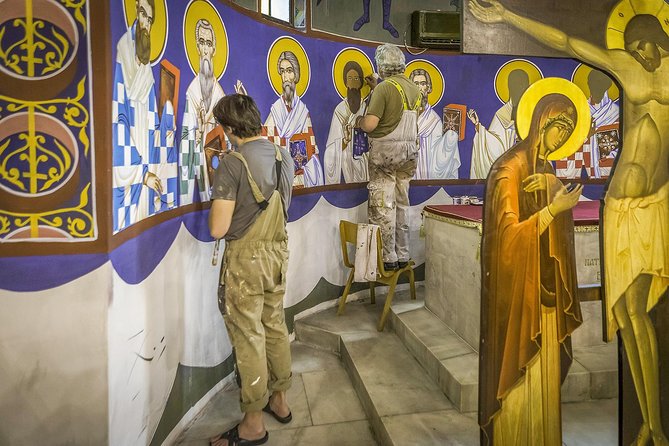
The walk ends at the Salon of the Museum of Contemporary Art Belgrade on Pariska 14. This is a fitting final stop because it turns your attention toward current visual art and gives you a place to continue independently after the guide leaves.
The salon presents newer trends in visual arts, but the walking experience ends outside. Admission is not listed as included, and the route does not promise an exhibition visit. If you are interested in contemporary Serbian art, you can use the final stop as a springboard for a separate museum or gallery visit.
I like this ending because it leaves you with a practical next step. A short tour cannot explain every artist, movement, and institution in Belgrade. Finishing at a contemporary venue gives you a chance to keep exploring at your own pace.
What the local guide adds
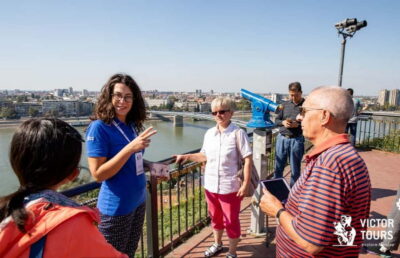
The strongest reason to book this experience is the guide. The description promises a local who wants to show you the city, with discussion of Serbian artists from the past and present. That means the quality of the tour will depend less on the number of stops than on how clearly the guide connects them.
Tanja was praised in one especially positive account for being an excellent guide and a wonderful person. The provider’s response uses the name Tatjana, so the spelling is not fully consistent, but the useful point is clear: this guide received strong personal praise for her approach and subject knowledge.
At the same time, you should set sensible expectations. Another guest found little connection to art or culture and felt the route was simply a central city walk that could be done alone. That criticism is important. The stops themselves are public places, and you can reach them without paying for a tour.
The value comes from the interpretation. If you want a structured route, local perspective, and a chance to ask questions, the experience may be worthwhile. If you mainly want access to museum collections, named artworks, or a detailed academic discussion, this walk may not go far enough.
Group size, timing, and comfort
The walk lasts about one hour and 30 minutes. That makes it easy to fit into a first day in Belgrade, before a meal or another attraction. It is also short enough for you to use as an orientation walk near the start of your stay.
A small group can improve the experience. With fewer people, you can hear the guide more easily and ask about Serbian artists, street art, or buildings that catch your eye. The highlights describe a maximum of six people, though the additional information allows up to eight, so confirm the expected size if that detail matters to you.
Most people can participate, and the route is near public transportation. Service animals are allowed. Food, drinks, snacks, and personal expenses are not included, so plan to buy anything you need before or after the walk.
Wear comfortable shoes. The route connects several central locations on foot, and the experience is designed around outdoor stops. The supplied information does not describe special access arrangements beyond general participation and transport access, so contact the provider if you have a specific mobility concern.
Is $107.14 a fair price?
At $107.14 per person, this is not a bargain-priced orientation walk. The cost makes the most sense if you are booking for a very small group and want personal attention from a local guide.
The price does not include food, drinks, museum entry, or private transportation. You are paying mainly for the guide’s time and interpretation. That can be good value if the conversation is strong and the guide gives you ideas for further art visits in Belgrade.
The price is harder to justify if you only want to see the buildings and squares. Every listed stop is in the public city center, and you could walk past many of them on your own. The experience earns its cost through stories, connections, and access to local insight, not through admission tickets.
Group discounts may improve the value for more than one person. Free cancellation up to 24 hours before the start also reduces the risk of booking early. Cancellations made inside that 24-hour window are not refunded, and late changes are not accepted.
Who should book this Belgrade art walk?
I would choose this tour if you are curious about Belgrade beyond its headline sights and prefer conversation to a formal museum visit. It suits first-time visitors who want a short introduction, as well as art fans who would like a local starting point before exploring galleries alone.
It is also a reasonable choice for a couple or small group that values a private-feeling walk but does not need a full-day program. The route’s mix of street art, Dorcol, historic architecture, and a contemporary art venue gives you several ways into the city’s culture.
I would hesitate if your main goal is a serious art-history lesson. The route includes seven outside points, many marked as pass-by stops, and the tour lasts only 90 minutes. The art content may be broad rather than detailed.
Should you book it?
Book this experience if you want a short, local-led introduction to Belgrade’s creative side, especially if you can join a genuinely small group and engage with the guide. Tanja, also identified as Tatjana, received strong praise for her personal style, which suggests the right guide can make the route much more than a list of buildings.
Skip it if you are comfortable navigating central Belgrade alone or want guaranteed museum access and a detailed art lecture. Before booking, ask how much time will be devoted to artists, street art, and contemporary galleries. That one question will help you decide if the experience matches what you want from Belgrade.
FAQ
Where does the Belgrade art and culture tour start?
It starts at the Old Palace, Dragoslava Jovanovića 2, Beograd 11000, Serbia.
Where does the tour end?
The walk ends at the Salon of the Museum of Contemporary Art Belgrade, Pariska 14, Belgrade, Serbia.
How long does the experience last?
The tour lasts approximately one hour and 30 minutes.
What places are included on the route?
The route passes the Old Palace, Hotel Moskva, Ulična galerija, Republic Square, Dorcol, the Visitor Centre of the National Bank of Serbia, and the Salon of the Museum of Contemporary Art Belgrade.
How many people can join the tour?
The highlights describe a maximum of six people, while the additional information lists a maximum of eight travelers.
Is food or drink included?
No. Food, drinks, snacks, and personal expenses are not included.
Is the tour accessible by public transportation?
Yes. The experience is near public transportation.
What is the cancellation policy?
You receive a full refund if you cancel at least 24 hours before the start time. Cancellations or changes made less than 24 hours before the experience are not accepted for a refund.
Just added around Belgrade
- Private Wine Tasting by Party in Belgrade★ 5.0 · 3 reviews
- Zica and Studenica Monasteries Private Day Tour from Belgrade★ 5.0 · 4 reviews
- Urban & Alternative Belgrade tour★ 5.0 · 4 reviews
- Belgrade Bike Tour: Be a local in the hood of Belgrade!★ 5.0 · 5 reviews
- Sidecar Tours Belgrade★ 5.0 · 5 reviews
- The World of Pubs and Taverns: A Golden Mile★ 5.0 · 5 reviews
- Private Truffle‑Hunting Tour from Belgrade – Lunch with Wine★ 5.0 · 4 reviews
- Private Day Trip/Transfer Tour from Belgrade to Timisoara★ 5.0 · 5 reviews
Belgrade Tours, compared.
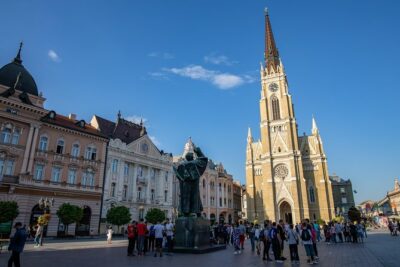
Sremski Karlovci and Novi Sad Full-Day Tour from Belgrade
Read our review →
Day Trip from Belgrade: Gems of Eastern Serbia
Read our review →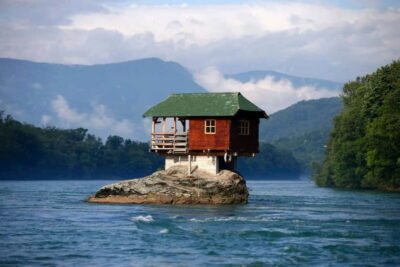
Western Serbia 1-Day Tour of the Key Sites from Belgrade
Read our review →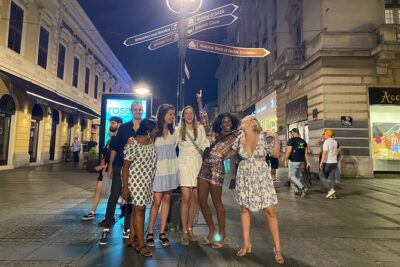
Belgrade Nightlife Bar Pub Club Crawl with Drinks
Read our review →
Browse the lists this tour appears in