
Reviewed · WALKING TOURS
Belgrade: 3-Hour Small Group Walking Tour
Belgrade’s story is written in its streets, royal palaces, cafés, churches, and fortress walls. This three-hour walking route gives you a quick but meaningful look at the Serbian capital, from the National Assembly to the meeting point of the Sava and Danube rivers.
I like the efficient path, which links many central sights without wasting time, and I like the guides’ personal touch. Dragan, Milan, Marko, Radica, Isidora, and Nebojša are praised for clear English, strong knowledge of Serbian and Yugoslav history, and practical tips for the rest of your stay.
The main drawback is simple: this is nearly three hours of walking with few long breaks. The tour also requires at least two people for the shared rate, so a solo booking may involve a 75 percent supplement if no one else joins.
Key points to know before you book
- Royal history in the city center: See the National Assembly, Old Palace, and New Palace while your guide explains Serbia’s royal families and political past.
- A useful first-day tour: The route gives you bearings, key sights, and ideas for restaurants, bars, souvenirs, and later sightseeing.
- A strong local guide matters: Guides including Dragan, Milan, Marko, Radica, Isidora, and Nebojša are praised for clear English and personal stories.
- A manageable but steady walk: The activity is classed as low intensity, but you should expect almost nonstop walking for about three hours.
- A memorable finish: Kalemegdan Park and Belgrade Fortress provide wide views toward the Sava and Danube confluence.
- Good value at $35.09: You pay for a licensed guide and a tightly planned route, while all stops are free to enter.
Why this is a smart first look at Belgrade
Belgrade can feel scattered at first. Its main sights sit across a broad central area, and the city’s story jumps from Roman foundations to medieval Serbia, Ottoman rule, Austro-Hungarian influence, royal dynasties, Yugoslavia, and modern Serbia.
This tour puts those pieces in order. You begin in the formal government district, pass through historic squares, follow Knez Mihailova Street into the old center, and finish at the fortress. That direction makes sense. You see modern civic power first, then the older heart of the city, and finally the place that explains why Belgrade mattered for centuries.
At $35.09 per person, the price is fair for a three-hour private-led orientation with a professional, licensed guide. There are no entrance fees to add, so the cost mainly covers the guide’s time and the route planning. For a first morning in Belgrade, that is useful value, especially if you want context before exploring alone.
You should book this near the start of your stay if possible. Several guides give advice about places to eat, drink, shop, and visit later. That turns the walk into more than a list of monuments. It helps you decide how to use the rest of your time.
A few more Belgrade trips to weigh up
- Half-Day Sightseeing and Walking Tour of Belgrade City
★ 5.0 · 37 reviews - Belgrade Private Walking Tour with a Local
★ 5.0 · 19 reviews - Belgrade City Walk, Gathering and Sightseeing
★ 5.0 · 19 reviews
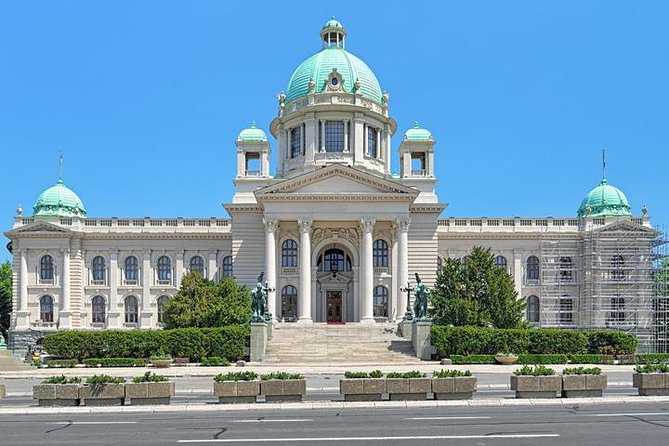
Meeting Serbia’s political heart at the National Assembly
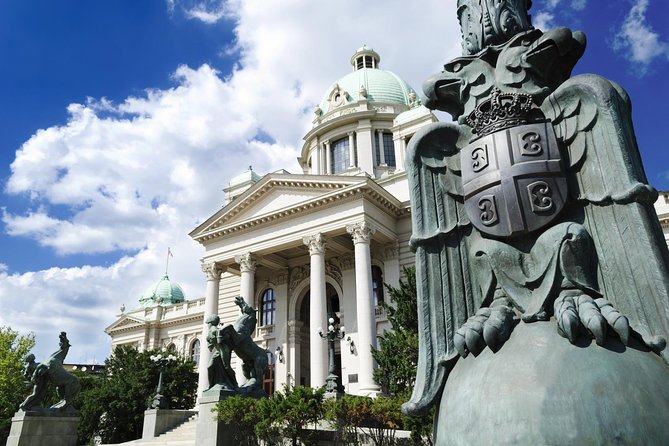
The meeting point is at the Statue of Nikola Pašić, at Trg Nikole Pašića 11. The tour itself begins beside the House of the National Assembly of the Republic of Serbia, a grand early-20th-century building with a long connection to the country’s political life.
Your guide uses this first stop to set the scene. Belgrade has ancient roots, but its modern identity was shaped by repeated changes in power. Celtic and Roman beginnings lead into medieval Serbia, Ottoman and Austro-Hungarian rule, the rise of the modern Serbian state, and the later story of Yugoslavia.
Across from the parliament are the Old Palace and New Palace. These buildings once belonged to the Obrenović and Karađorđević royal dynasties, whose rivalry helped shape Serbia’s modern monarchy. Today, the Old Palace houses the City Assembly, while the New Palace is used as the residence of the Serbian President.
This is one of the best parts of the opening. You are not just looking at handsome government buildings. You are hearing why two rival royal houses mattered and how their competition affected the country. The stop lasts about 15 minutes, enough time for an explanation without turning the tour into a long architectural lecture.
Nikola Pašić Square and the making of modern Serbia
The next stop is Nikola Pašić Square, named for one of the major political figures of modern Serbia. Pašić played an important role in the creation of the Kingdom of Serbs, Croats and Slovenes, later known as Yugoslavia.
The square offers a useful bridge between royal history and the modern state. Your guide can place Pašić within the larger political story rather than treating him as only a name on a sign. This is also a short stop, around 10 minutes, so expect information rather than an extended visit.
If you are especially interested in Balkan politics, ask questions here. The guides are praised for handling questions about Serbia, Belgrade, Yugoslavia, and the wider Balkan region. The tone appears to be conversational, which helps with a subject that can become confusing quickly.
Terazije Fountain and Hotel Moskva stories
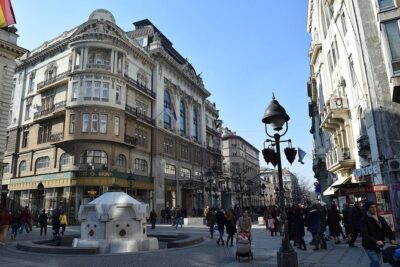
Terazije Square has been one of Belgrade’s main meeting places since the 19th century. The Terazije Fountain is the focus here, but the real appeal is the story of the square’s grand hotel era.
Hotel Moskva is especially notable. Its doors once welcomed scientists, artists, government officials, and other prominent figures. One of the tour’s more unusual stories concerns two camels that accompanied a high-profile African visitor. It is the sort of small, odd detail that makes a place easier to remember.
This stop adds a lighter note after the political material. You get architecture, urban life, and a sense of how Belgrade presented itself as a modern European capital. The stop lasts about 15 minutes.
Look at the hotel’s setting as you listen. Terazije is not a quiet museum courtyard. It is part of a working city, and that contrast between old stories and present-day movement is one of Belgrade’s charms.
Same riverbank, a completely different kind of day:
- From Belgrade: Novi Sad & Sremski Karlovci Full-Day Tour
★ 4.7 · 1,068 reviews - From Belgrade: Gems of Eastern Serbia Tour
★ 5.0 · 427 reviews - Northern Serbia: Sremski Karlovci and Novi Sad Full-Day Tour from Belgrade
★ 5.0 · 425 reviews - Day Trip from Belgrade: Gems of Eastern Serbia
★ 5.0 · 424 reviews
Republic Square, the city’s main meeting place
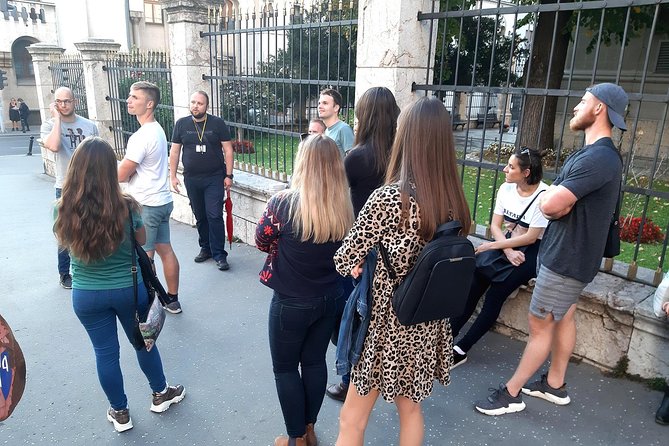
Republic Square is the center of the route and one of the city’s main gathering places. The National Theatre and National Museum frame the square, while the monument to Prince Mihailo dominates the middle.
Prince Mihailo helped guide Serbia during a key period of independence and state-building. His monument is also a practical city marker, making Republic Square a useful place to remember when you explore on your own.
The guide will likely explain the surrounding buildings and the square’s role in daily life. At around 15 minutes, this is another orientation stop rather than a museum visit. The National Museum and National Theatre are seen from outside on this route, so plan a separate visit if you want to go inside.
That is an important point about the tour. It covers many major landmarks, but it is mainly an outdoor walk. The value lies in linking the sights and giving them meaning, not in entering collections or attending performances.
Knez Mihailova Street and the old city center
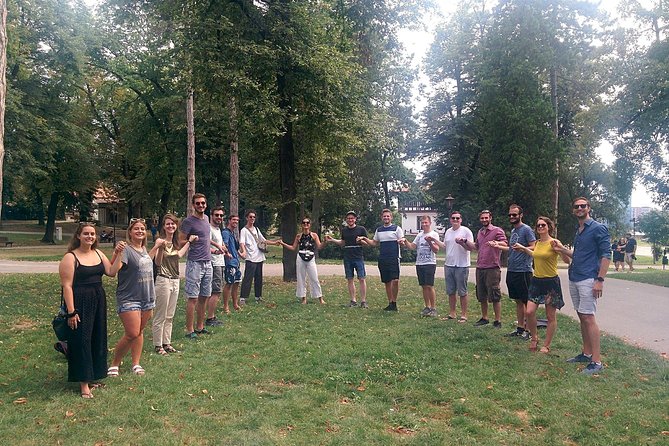
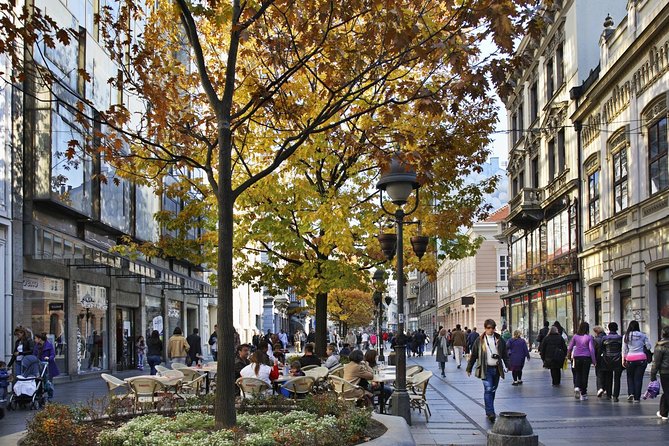
From Republic Square, you walk along Knez Mihailova Street, Belgrade’s main pedestrian boulevard and shopping street. Historic façades line the route, while cafés, shops, and everyday city life fill the spaces between them.
This is one of the easiest sections of the walk. There is no need to watch traffic closely, and the pedestrian setting gives you time to look up at the buildings. Your guide can point out how the street connects the newer central districts with the older fortress area.
Knez Mihailova is also where the tour feels most like a normal morning in Belgrade. You are not moving from monument to monument in isolation. You are walking through the city’s social center, where people meet, shop, pause for coffee, and pass through on their way elsewhere.
The street can be active, so stay close enough to hear your guide. On a hot day, shade may vary along the route. One guide, Radica, was especially attentive about keeping the group in shade and hydrated during warm weather. That is a good reminder to bring water and wear comfortable shoes.
St. Michael’s Cathedral, Princess Ljubica, and Question Mark
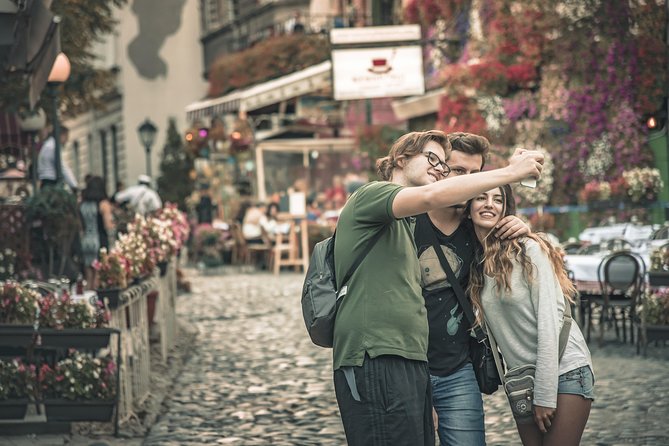
The route continues to St. Michael’s Cathedral, Belgrade’s principal church. It contains the tombs of important figures from Serbian history, making it both a religious site and a place tied to the national story.
Religious buildings require clothing that covers your knees and shoulders. The tour information says entrance is included, though the stop may still depend on the church’s operating conditions on the day. Dress respectfully if you want to be ready to go inside.
Across from the cathedral are the Mansion of Princess Ljubica and the city’s oldest tavern, known by its unusual name, Question Mark. The mansion was the former home of Serbia’s first lady, while the tavern adds a distinctly local touch to the stop.
This combination works well. You get church history, royal domestic life, and an old drinking place within a small area. It shows how Belgrade’s past is not confined to grand institutions. It also survives in ordinary social places.
The cathedral stop takes about 15 minutes. If you want more time inside the mansion or tavern, you will need to return later, since the walk continues toward Kalemegdan.
Kalemegdan Park and the Belgrade Fortress
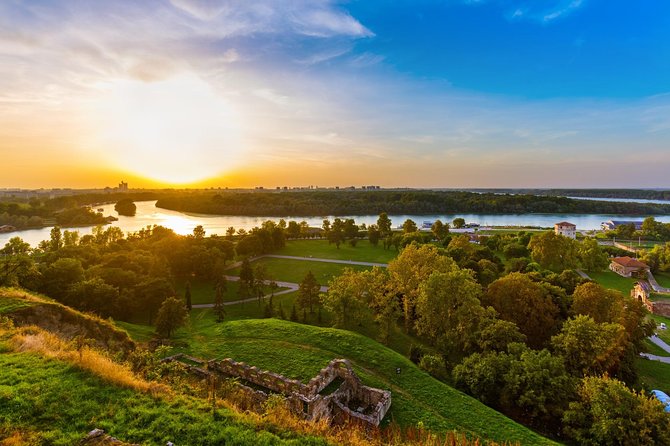
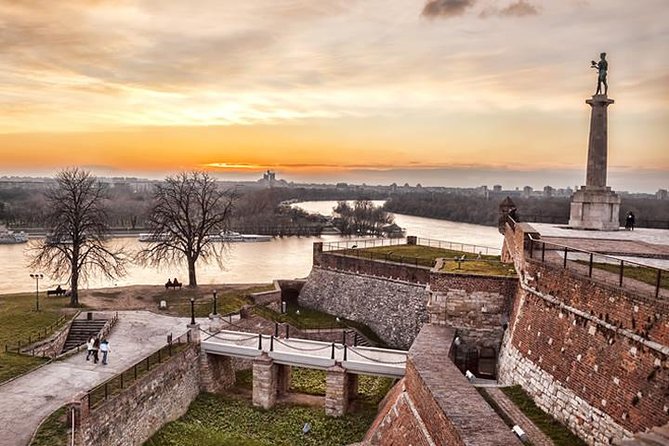
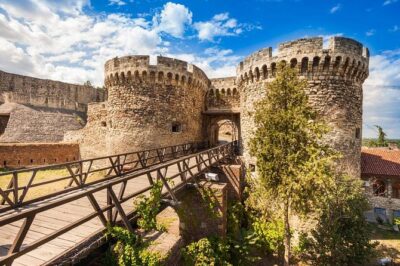
The final section leads into Kalemegdan Park and the Belgrade Fortress, the most important cultural and historical complex on the route. The park gives the walk a change of pace after the central streets, with open space and greenery before the fortress walls take over.
The fortress sits above the confluence of the Sava and Danube rivers. This location explains Belgrade’s long military importance. Control of the high ground and the river meeting point mattered to the many powers that shaped the city.
The tour ends at the outer part of the fortress near the Victor Monument, one of Belgrade’s best-known symbols. From here, you get broad views over the rivers and a clear sense of the city’s strategic position.
Allow about 30 minutes for this final stop. It is the longest listed visit, and rightly so. The fortress deserves time for its walls, views, open spaces, and stories. It is also the strongest ending to the route because it pulls the whole morning together: ancient settlement, military power, royal ambition, and modern city life all meet here.
The fortress area has uneven surfaces in places, so comfortable footwear matters. The tour is considered low intensity, but the distance and steady pace can still feel tiring if you are not used to walking.
The guides make the difference
The strongest feature of this experience is the human one. The guide names associated with the tour include Dragan, Milan, Marko, Radica, Isidora, Igor, and Nebojša. Their styles may differ, but the feedback points to several traits you can reasonably expect: clear English, friendly conversation, detailed historical explanations, and a willingness to answer questions.
Dragan is praised for explaining Serbian, Belgrade, and Balkan history in clear English. Milan receives strong marks for an easy pace and extensive explanations. Marko is noted for mixing history with personal stories and practical help.
Radica brings a careful, warm approach, including attention to shade and water on a hot day. Isidora is described as patient and kind, with useful advice on food and souvenirs. Nebojša is especially good for people who want more than dates and monuments, since his discussions include Yugoslav history and modern challenges facing Serbia and its neighbors.
The tour can feel quite different depending on the guide and group size. The maximum is 25 people, but some departures are much smaller. One booking became a one-person walk, allowing the guide to adjust the discussion and answer every question. That can be excellent, but remember the possible 75 percent supplement if you are the only person booked.
Timing, pace, and practical details
The scheduled start is 10:00 a.m., and the tour lasts about three hours. It ends at Belgrade Fortress, not back at the starting point. That is convenient because you can continue exploring Kalemegdan, visit another attraction, or stop for lunch nearby.
You should plan for steady walking rather than a series of long pauses. Bring a bottle of water, wear comfortable shoes, and consider the weather carefully. A hot day can make the route feel harder, while rain may slow the pace. The tour has continued in poor weather, and one guide even supplied an umbrella during a storm, but you should still arrive prepared.
The route is near public transportation, and most people can take part. Service animals are allowed. Since the walk includes historic streets, park paths, and fortress areas, anyone with mobility concerns should consider the terrain and the three-hour duration before booking.
The activity is offered in English. Confirmation arrives at booking. Group discounts may be available, and the maximum group size is 25.
Free cancellation is available up to 24 hours before the start time. If fewer than two people are booked for the shared tour, you should be informed no later than 24 hours before departure and offered either cancellation without fees or the option to pay the 75 percent supplement. The stated policy also provides a full refund if the operator cancels because the minimum number is not met.
Who will get the most from this walk?
This tour fits a first-time visitor with limited time. You see the major central sights in one morning, then have the rest of the day free for museums, meals, shopping, or a return visit to the fortress.
It also suits anyone who wants history explained in a clear sequence. Belgrade’s past can be hard to sort out from a guidebook alone, especially when Serbian kingdoms, Ottoman rule, rival royal families, Yugoslavia, and modern politics overlap. A good guide helps you see how the pieces connect.
Families and mixed-age groups may like the low-intensity format, provided everyone is comfortable walking for nearly three hours. History fans should ask questions, since the guides appear willing to go beyond the basic script.
You may want a different activity if you dislike group walks, need frequent seated breaks, or want extensive time inside museums and historic buildings. This is an outdoor overview, not a slow architectural study or a museum tour.
Should you book the Belgrade walking tour?
I would book it for the first or second day of a Belgrade visit, especially if you have only a short stay. The route is well planned, the price is reasonable, and the final fortress views give you a strong sense of the city’s geography.
The best reason to choose it is the guide. Names such as Dragan, Milan, Marko, Radica, Isidora, and Nebojša are linked with clear explanations, personal stories, and useful local advice. The main caution is the solo booking supplement and the amount of walking.
Book this if you want a solid orientation, an easy way to reach the main sights, and a better grasp of Serbia’s complicated past. Skip it only if you prefer to explore at your own slow pace or want a tour focused on indoor attractions.
FAQ
Where does the tour begin?
The meeting point is at the Statue of Nikola Pašić, Trg Nikole Pašića 11, in Belgrade.
What time does the tour start?
The scheduled start time is 10:00 a.m.
How long does the walking tour last?
The tour lasts approximately three hours.
Where does the tour end?
The walk ends at Belgrade Fortress in Kalemegdan.
What sights are included?
The route includes the National Assembly, Old and New Palaces, Nikola Pašić Square, Terazije Fountain, Republic Square, Knez Mihailova Street, St. Michael’s Cathedral, Princess Ljubica’s residence, Question Mark tavern, Kalemegdan Park, and Belgrade Fortress.
Are entrance fees included?
Yes. All entrances are included, although the route is mainly an outdoor sightseeing walk.
Is the tour offered in English?
Yes. English is the stated tour language.
What should I bring?
Comfortable walking shoes and a bottle of water are recommended. Religious sites require clothing that covers your knees and shoulders.
Can I cancel the booking?
Yes. You can cancel at least 24 hours before the start time for a full refund. Changes or cancellations made less than 24 hours before the start time are not accepted for a refund.
Just added around Belgrade
- Zica and Studenica Monasteries Private Day Tour from Belgrade★ 5.0 · 4 reviews
- Private Wine Tasting by Party in Belgrade★ 5.0 · 3 reviews
- Urban & Alternative Belgrade tour★ 5.0 · 4 reviews
- Belgrade Bike Tour: Be a local in the hood of Belgrade!★ 5.0 · 5 reviews
- Sidecar Tours Belgrade★ 5.0 · 5 reviews
- The World of Pubs and Taverns: A Golden Mile★ 5.0 · 5 reviews
- Private Truffle‑Hunting Tour from Belgrade – Lunch with Wine★ 5.0 · 4 reviews
- Private Day Trip/Transfer Tour from Belgrade to Timisoara★ 5.0 · 5 reviews
Walking Tours, compared.
Half-Day Sightseeing and Walking Tour of Belgrade City
Read our review →
BELGRADE BUS AND WALKING TOUR, Experience daily life
Read our review →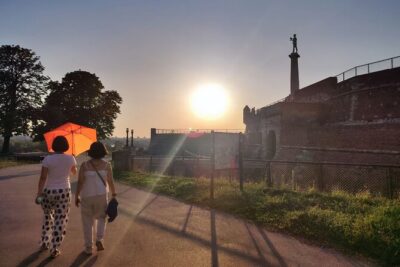
Small Group Walking Tour Around Old City of Belgrade
Read our review →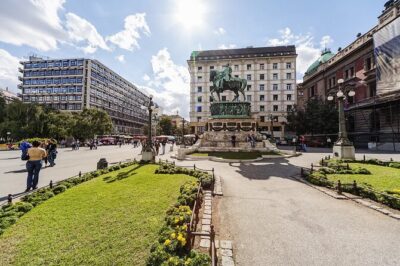
Browse the lists this tour appears in